|
1
|
|
|
2
|
|
|
3
|
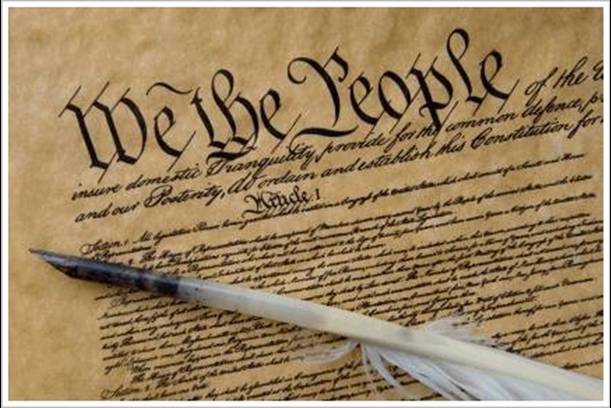
- We the People of the United
States, in Order to form a more perfect Union, establish Justice, insure
domestic Tranquility, provide for the common defense, promote the
general Welfare, and secure the Blessings of Liberty to ourselves and
our Posterity, do ordain and establish this Constitution for the United
States of America.
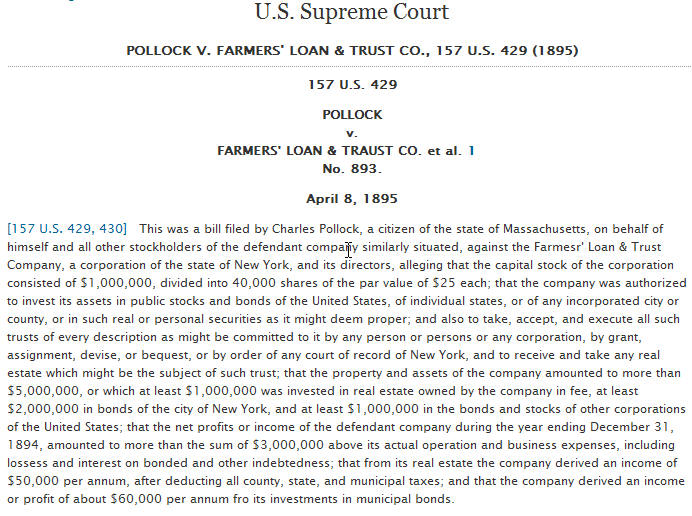
|
|
4
|
|
|
5
|
- The Constitution of the United
States of America absolutely prohibits the federal government from demanding
money directly from We The People as tax!
|
|
6
|
|
|
7
|
-
Article 1, Section 2, Clause 3
-
"Representative and direct taxes shall be apportioned among
the several states which may be included within this union, according to
their respective numbers"
- THIS PROVISION HAS NEVER BEEN REPEALED !
|
|
8
|
- Article 1, Section 9, Clause 4
-
"No capitation or other direct tax shall be laid, unless in
proportion to the census or enumeration herein before directed to be
taken."
- THIS TOO, HAS NEVER BEEN REPEALED !
|
|
9
|
- According to the Constitution, direct taxes
must be laid in proportion to the census,
and apportioned to the States for collection.
- This means that the States pay their proportionate share of any direct
tax,
from their Treasuries; and that the citizens do NOT pay any
direct tax to the federal government from their own pockets.
|
|
10
|
- These provisions of the Constitution have never been repealed or
amended. They still today, absolutely prohibit the federal government
from taxing the people directly.
|
|
11
|
|
|
12
|
|
|
13
|
- but all duties, imposts and excises shall be uniform throughout the
United States;
|
|
14
|
- INDIRECT TAXES
ARE UNIFORM !
- DIRECT TAXES ARE
APPORTIONED
(Proportionately,
TO THE STATES
for collection !)
|
|
15
|
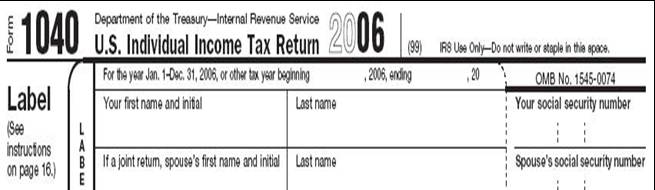
- And, the Constitution also
gives
the federal government a lawful authority and full jurisdiction
over all foreign affairs and matters involving foreign countries, and
over foreign persons in the United States until they become citizens.
|
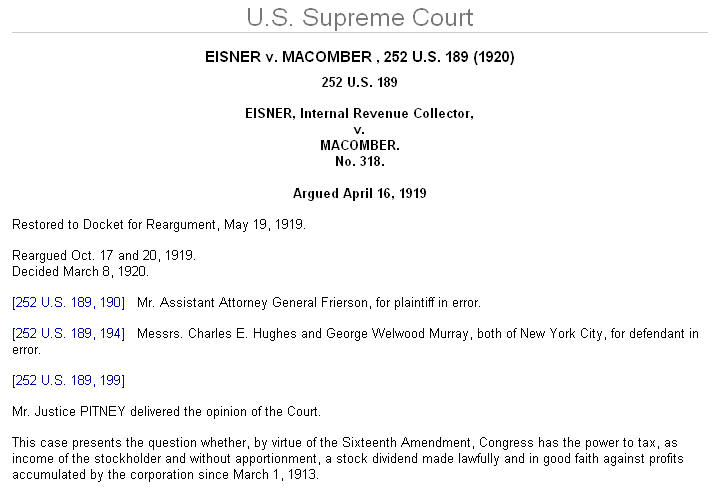
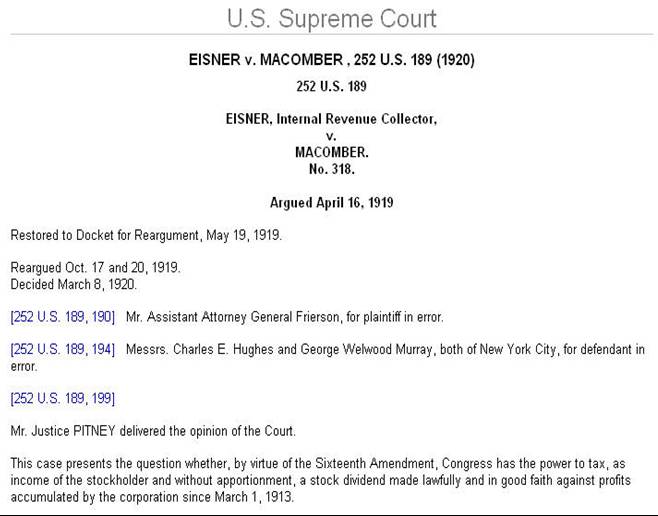
|
16
|
- The Congress shall have power …
- To regulate commerce with foreign nations, and among the several states,
and with the Indian tribes;
- To establish a uniform rule of naturalization …
- To coin money, regulate the value thereof, and of foreign coin, …
|
|
17
|
- In 1896, the Supreme Court relied upon these clauses of the Constitution
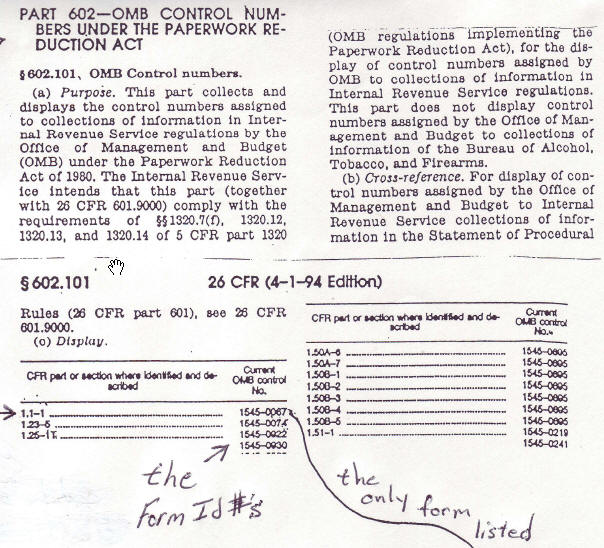
to strike down as unconstitutional an act attempting to impose directly
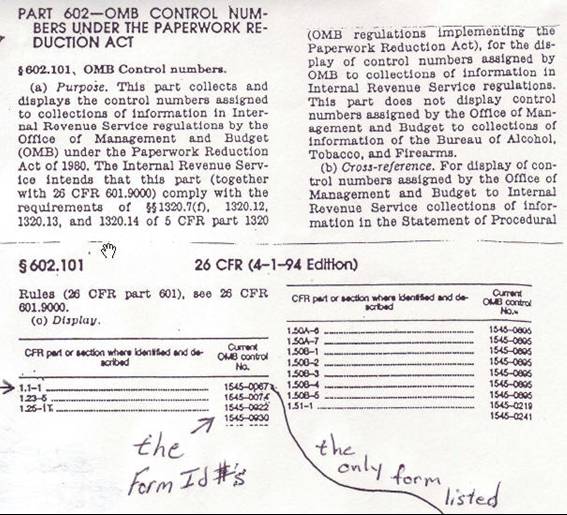
a graduated income tax on the earnings of American citizens from various
sources.
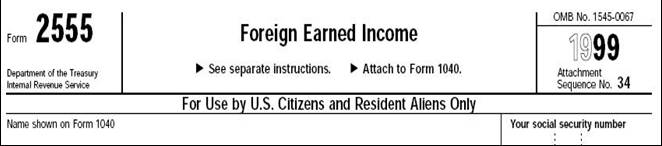
- The case is Pollock v. Farmer’s Loan & Trust Co., wherein the Court
stated:
|
|
18
|
|
|
19
|
- “… it is apparent (1) that the distinction between direct and indirect
taxation was well understood by the framers of the constitution and
those who adopted it; (2) that, under the state system of taxation, all
taxes on real estate or personal property or the rents or income
thereof were regarded as direct taxes;”
|
|
20
|
- "... a tax upon property holders in respect of their estates,
whether real or personal, or of the income yielded by such estates, and
the payment of which cannot be avoided, are direct taxes ..."
Pollock v. Farmer’s Loan & Trust Co., 157 U.S. 429, 558
(1895)
|
|
21
|
- “We are of opinion that the law
in question, so far as it levies a tax on the rents or income of real
estate, is in violation of the constitution, and is invalid.”
|
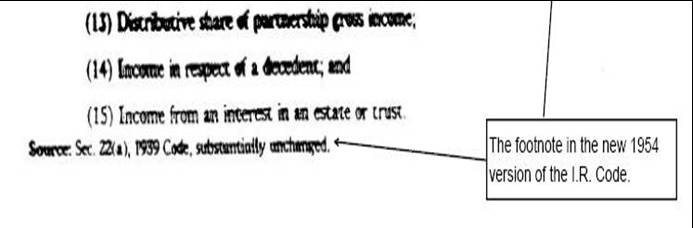
|
22
|
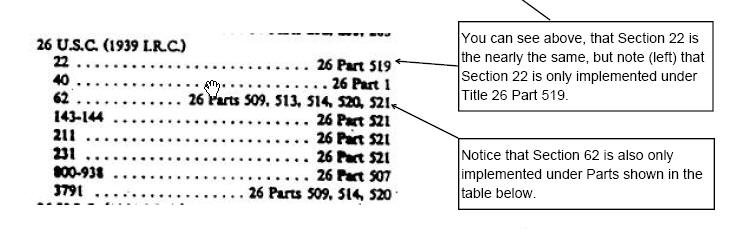
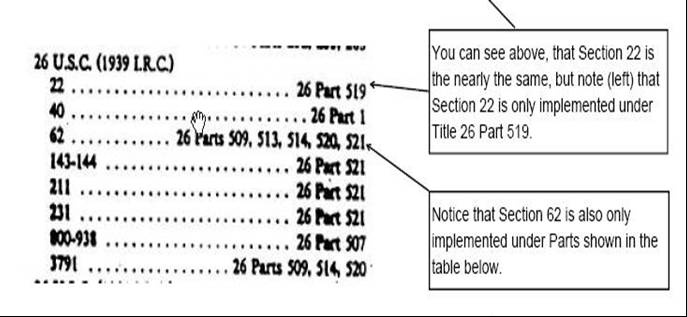
- “I am of opinion that the whole law of 1894 should be declared void, and
without any binding force, - that part which relates to the tax on the
rents, profits, or income from real estate, that is, so much as
constitutes part of the direct tax, because not imposed by the rule of
apportionment according to the representation of the states, as
prescribed by the constitution;” Pollock
v. Farmer’s Loan & Trust Co., 157 U.S. 429, 608 (1895)
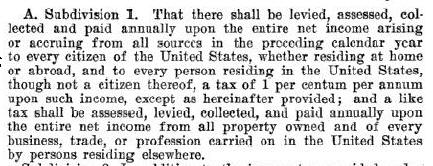
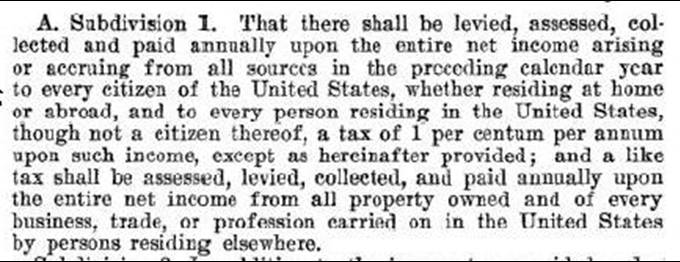
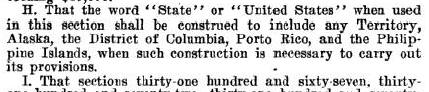
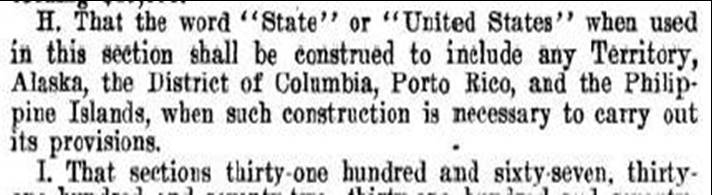
|
|
23
|
- and that part which imposes a tax upon the bonds and securities of the
several states, and upon the bonds and securities of their municipal
bodies, and upon the salaries of judges of the courts of the United
States, as being beyond the power of congress;
|
|
24
|
- and that part which lays duties, imposts, and excises, as void in not
providing for the uniformity required by the constitution in such cases”
Pollock v. Farmer’s Loan & Trust Co., 157 U.S. 429, 608
(1895)
|
|
25
|
- Thus, the income tax tested by the Supreme Court in 1896 was deemed to
be unconstitutional and was stricken down, for all of these identified
constitutional “problems” with the legislation.
|
|
26
|
|
|
27
|
- “Congress shall have power to
lay and
collect taxes on income, from whatever source derived, without
apportionment among the several states, and without regard to any census
or enumeration.”
- ADOPTED IN 1913.
- DID THIS CHANGE EVERYTHING ?
|
|
28
|
- DOES THE 16th AMENDMENT REPEAL, ALTER, AMEND, or DESTROY THE
PRE-EXISTING PROVISIONS OF ARTICLE 1 regarding direct taxation we have
just reviewed (1,2,3 & 1,9,4)?
- DOES IT OVERCOME THE POLLOCK RULING BY CREATING A NEW FEDERAL POWER TO
DIRECTLY
TAX THE CITIZENS ?
|
|
29
|
- “Congress shall have power to
lay and collect taxes on income, from whatever source derived, without
apportionment among the several states, and without regard to any census
or enumeration.”
- DOES THIS ACTUALLY SAY THAT THE INCOME TAX IS A DIRECT TAX ? (Does it
contain the word “direct” ?)
- NO ! IT DOES NOT !
|
|
30
|
- Now, the U.S. government wants you to believe that the 16th
Amendment gives the I.R.S. (government) additional taxing powers that
did not exist before its adoption in 1913.
- BUT, according to the Supreme Court
- THAT’S NOT TRUE !
|
|
31
|
- SINCE 1916, however, the inferior district and circuit federal courts
have just plain lied to the American People and claimed that the Supreme
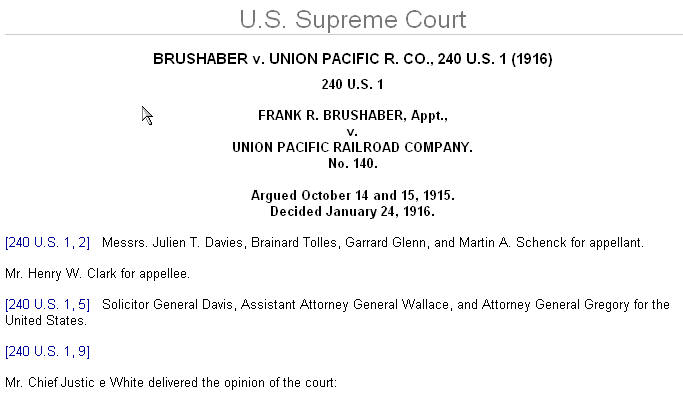
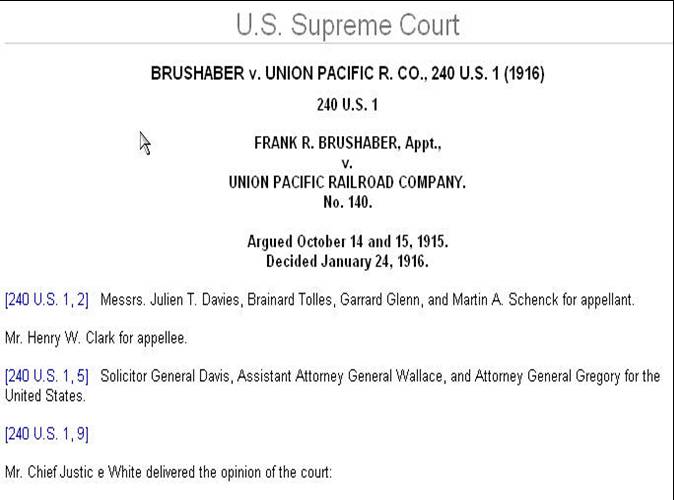
Court determined in the Brushaber v. Union Pacific R.R. Co. case of
1916, that:
- “The Sixteenth Amendment authorizes
a direct nonapportioned tax upon United States citizens throughout the
nation". United States v. Collins, 920 F.2d 619, 629 (10th
Cir. 1990)
- BUT, this statement and claim
IS A BALD FACED LIE
|
|
32
|
- The SUPREME Court’s decision taken in the Brushaber case absolutely did
not say that the 16th Amendment authorizes a direct nonapportioned tax,
because that would have engineered a direct and inherent conflict within
the Constitution itself, with those pre-existing Article I clauses prohibiting direct taxation!
- (Article 1, Section 2, Clause 3, and
- Article 1, Section 9, Clause
4)
|
|
33
|
- The SUPREME Court knew in 1916 that it is not a legitimate application
of the law to use one provision of the law to destroy another.
(Who knows what they know now!)
- Provisions of the law of equal stature should peacefully and
harmoniously co-exist with one another, and should never be interpreted
to be in direct conflict with each other, or to destroy one another.
- Otherwise, you will have arbitrary and capricious applications of the
conflicting provisions of the laws offered up by everyone from Grandma
to Judge Judy.
|
|
34
|
- However, the Supreme Court did decide and state in the Brushaber and Stanton
case opinions in 1916, that the income tax legislation enacted in 1913
and tested by the court in those cases, is constitutional.
- WHY DID THEY TAKE THIS DECISION ?
|
|
35
|
- SO, JUST WHAT DID THE SUPREME
COURT REALLY SAY ABOUT THOSE INCOME TAX LAWS IT ACTUALLY TESTED, IN
THOSE FIRST INCOME TAX DECISIONS, IN 1916 ?
|
|
36
|
|
|
37
|
- “We are of opinion, however, that the confusion is not inherent, but rather
arises from the conclusion that the
16th Amendment provides
for a hitherto unknown power of taxation; … “
|
|
38
|
- “… that is, a power to levy an income tax which, although direct, should
not be subject to the regulation of apportionment applicable to all
other direct taxes. And the far-reaching effect of this erroneous
assumption will be made clear…”
Brushaber v. Union Pacific R.R., 240 U.S. 1, 11 (1916)
|
|
39
|
- “…it clearly results that the proposition and the contentions
under it, if acceded to, would cause one provision of the Constitution
to destroy another; that is, they would result in bringing the
provisions of the Amendment exempting a direct tax from apportionment into
irreconcilable conflict with the general requirement that all direct
taxes be apportioned.”
[Brushaber v. Union Pac. R.R., 240 U.S. 1, 12]
|
|
40
|
- “... This result … would create radical and destructive changes in our
constitutional system and multiply confusion”
- [Brushaber v. Union Pac. R.R.,
240 U.S. 1, 12]
- (Did they see it coming, or
what ?)
|
|
41
|
- The Supreme Court reaffirms, and makes absolutely clear, the true nature
of their ruling on the income tax legislation enacted in 1913, in the
opinion of the very next case they publish after the Brushaber case in
1916.
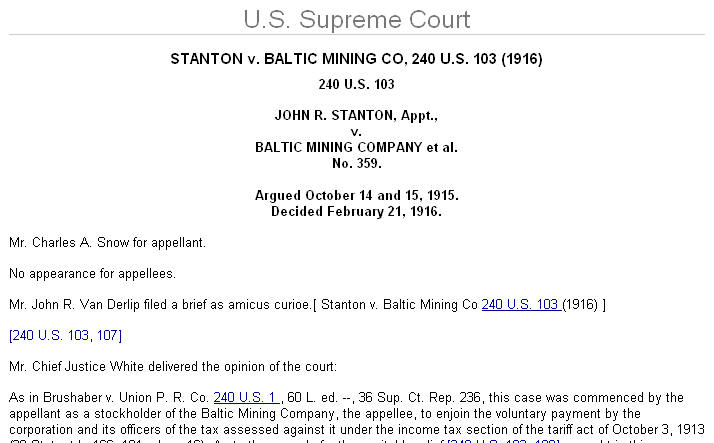
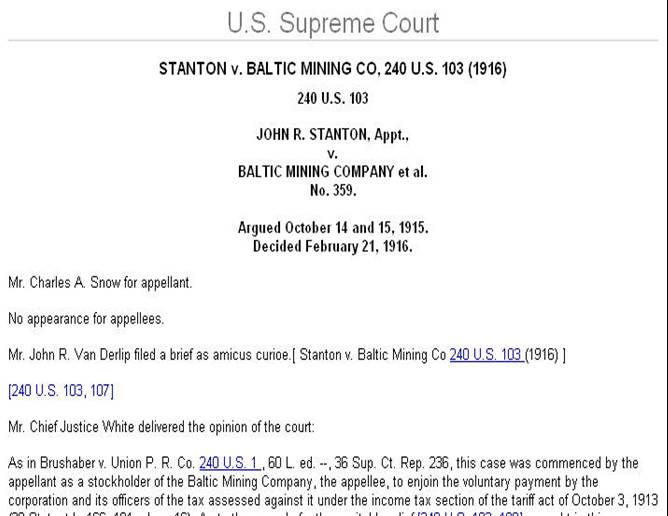
- Stanton v. Baltic Mining Co.
|
|
42
|
|
|
43
|
"...by the previous ruling (Brushaber), it was settled that the
provisions of the 16th Amendment conferred no new power of taxation…”
|
|
44
|
- “…but simply prohibited the
previous complete and plenary power of income taxation possessed by
Congress from the beginning from being taken out of the category of
INDIRECT taxation to which it inherently belonged.“
Stanton v. Baltic Mining Co., 240 US 103 (1916)
|
|
45
|
- So, in 1916 the Supreme Court said that the income tax is Constitutional
because it is an INDIRECT tax, NOT a direct tax.
- SO, what kind of INdirect tax is
it: impost, duty, or excise ?
|
|
46
|
- Well, what “form(s)” did income
tax(es) take previously, under this “previous, complete and plenary
power” to tax income that the Supreme Court identifies in Stanton, and,
that existed before the 16th Amendment?
|
|
47
|
- SEC. 89 And be it further enacted, That for the purpose of modifying and
reenacting, as hereinafter provided, so much of an act, entitled
"An act to provide increased revenue from imports to pay interest
on the public debt, and for other purposes," approved fifth of
August, eighteen hundred and sixty-one, as relates to income tax;...
|
|
48
|
- SEC. 86 And be it further enacted, that on and after the first day of
August, eighteen hundred and sixty-two, there shall be levied,
collected, and paid on all salaries of officers, or payments to persons
in the civil, military, naval, or other employment or Service of the
United States, including
|
|
49
|
- (including) senators and representatives and delegates in Congress, when
exceeding the rate of six hundred dollars per annum, a duty of three per
centum on the excess above the said six hundred dollars; and it shall be
the duty of all paymasters, and all disbursing officers
|
|
50
|
- when making any payments to
officers and persons as aforesaid, or upon settling or adjusting the
accounts of such officers and persons, to deduct and withhold the
aforesaid duty of three per centum, and shall, at the same time, make a
certificate stating the name of the officer or person from whom such
deduction was made, and the amount thereof, which shall be transmitted
to the office of the Commissioner of Internal Revenue
|
|
51
|
- “… it was settled in Stratton's
Independence v. Howbert, 231 U.S. 399, 58 L. ed. 285, 34 Sup. Ct. Rep.
136, that such tax is not a tax upon property as such because of its
ownership, but a true excise levied on the results of the business of
carrying on mining operations. (pp. 413 et seq.)” Stanton v. Baltic Mining Co., 240 US
103, 114 (1916)
|
|
52
|
- “The act of 1909 avoided this
difficulty by imposing not a [direct] income tax, but an excise tax upon
the conduct of business in a corporate capacity, measuring, however, the
amount of tax by the income of the corporation,
|
|
53
|
|
|
54
|
- So, if according to the Supreme Court a direct income tax was unconstitutional
before the 16th Amendment (Pollock), and
- No new powers of taxation were created or conferred by the adoption of
the Amendment (Stanton), then
- HOW CAN A DIRECT TAX ON INCOME BE CONSTITUTIONAL AFTER THE 16th
Amendment ?
(Clearly, honestly, it can’t be !)
|
|
55
|
- As THE COURT SAID IN THE STANTON
DECISION THAT THE INCOME TAX BEING TESTED IN THAT CASE IS CONSTITUTIONAL
BECAUSE IT WAS NOT IMPOSED AS A DIRECT TAX, BUT AS AN INDIRECT TAX IN
THE FORM OF AN EXCISE !
|
|
56
|
|
|
57
|
- “Excises are taxes laid
upon: the manufacture, sale or
consumption of commodities within the country, upon licenses to pursue
certain occupations, and upon corporate privileges;
|
|
58
|
- “the requirement to pay such
taxes involves the exercise of the privilege and if business is not done
in the manner described no tax is payable...it is the privilege which is
the subject of the tax and not the mere buying, selling or handling of
goods.”
|
|
59
|
- THE INCOME TAX UPHELD IN STANTON,
WAS UPHELD AS AN INDIRECT EXCISE TAX ON CORPORATIONS THAT CANNOT BE
APPLIED TO THE INCOME OF AN AMERICAN CITIZEN BECAUSE THE CITIZEN ENJOYS
NO TAXABLE CORPORATE PRIVILEGES.
|
|
60
|
- Flint v Stone Tracy is
cited by the Supreme
Court more than 600
times as the controlling precedent in subsequent cases concerning
excise taxation. 600 Times !
|
|
61
|
- So, what did the Supreme Court really
tell us about the income tax in that first decision in 1916, Brushaber
v. Union Pacific R.R. Co. ?
|
|
62
|
- In the very first sentence of the decision the Court says:
- “As a stockholder of the Union
Pacific Railroad Company, the appellant filed his bill to enjoin the
corporation from complying with the income tax provisions of the tariff
act of October 3, 1913.”
|
|
63
|
- A tariff is one form of an IMPOST!
A tariff is a FOREIGN tax imposed on foreign goods entering the
country, or imposed on foreign activity occurring within the country, BUT
IT IS NOT A TAX THAT CAN EVER BE IMPOSED ON ANY DOMESTIC earnings of the
citizens.
|
|
64
|
- I REPEAT:
A tariff is an indirect tax in the form of an impost, (under
Article 1, Sec. 8, Clause 1 of the Constitution, not the 16th
Amendment), in the form of a FOREIGN TAX THAT BY DEFINITION IS NEVER IMPOSED ON THE DOMESTIC ACTIVITY
OF THE AMERICAN CITIZENS IN THE FIFTY STATES !
|
|
65
|
- This is why the Supreme Court
said that the income tax powers of the tariff legislation tested in 1913
were a power “previous complete and plenary … possessed by Congress from
the beginning”, and was prevented “from being taken out of the category
of INDIRECT taxation to which it inherently belonged.“
Stanton v. Baltic Mining Co., 240 US 103 (1916)
|
|
66
|
- Because the corporate income tax
is laid as an indirect excise
under Article 1, Section 8, Clause 1 (which under Flint v Stone
Tracy citizens cannot be subjected to), and the personal income tax is
laid
|
|
67
|
- AS A TARIFF, one form of an
impost, which is also an indirect tax under Article 1, Section 8, Clause
1, and which plenary power to tax
(the income of foreigners and corporations) existed under the
Constitution from the beginning, AS AN INDIRECT POWER.
IT HAS NOTHING TO DO
WITH THE 16TH AMENDMENT !
|
|
68
|
"...by the previous ruling (Brushaber), it was settled that the
provisions of the 16th Amendment conferred no new power of taxation…”
|
|
69
|
- ”The Sixteenth Amendment,
although referred to in argument, has no real bearing and may be put out
of view. As pointed out in recent decisions, it does not extend the
taxing power to new or excepted subjects, … Brushaber v. Union Pacific
R.R. Co., 240 U.S. 1, 17-19; Stanton v. Baltic Mining Co., 240 U.S. 103,
112-113."
|
|
70
|
- “As repeatedly held, this [the
16th Amendment] did not extend the taxing power to new subjects,… . Brushaber
v. Union Pacific R.R. Co., 240 U.S. 1, 17-19; Stanton v. Baltic Mining
Co., 240 U.S. 103, 112 et seq.; Peck & Co. v. Lowe, 247 U.S. 165,
172-173.
|
|
71
|
- Is there any evidence of the foreign nature of this tariff (the income
tax) present in the income tax law(s) ?
- Then in 1913 ? NOW in 2008 ???
- Does the Supreme Court tell us anything else useful about the
income tax legislation being
tested in the Brushaber case ?
|
|
72
|
- YES! The Supreme Court
tell us in the Brushaber decision:
“2. The act provides for
collecting the tax at the source; that is, makes it the duty of
corporations, etc., to retain and pay the sum of the tax …”
Brushaber v. Union Pacific R.R. Co, 240 US 1, 21-22 (1916).
|
|
73
|
- “makes it the duty
of corporations,
etc.,
to retain and pay
the sum of the tax”
|
|
74
|
- This is, of course, what the income tax legislation was really all about
in 1913 – “collection at the source”; getting the tax dollars (the
money) from the taxpayer before it was all spent, and could therefore no
longer be collected as tax, or because the taxpayer himself was no
longer approachable because he had left the area (or the country?).
|
|
75
|
- Therefore, the “duty”, identified
by the Supreme Court to “retain and pay the sum of the tax“, was (and
still is) defined in the law as the duty of the “Withholding Agent” to withhold income taxes from all
persons identified in the law as being subject to the withholding of
tax.
|
|
76
|
- (a)(16) Withholding Agent. The term ''Withholding Agent'' means any
person required to deduct and withhold any tax under the provisions of
sections 1441, 1442, 1443, or 1461.
|
|
77
|
- So, under the law, who
do “Withholding Agents” withhold income tax from ?
|
|
78
|
- (a) General rule. Except as otherwise provided in
subsection (c) all persons, in
whatever capacity acting having the
control, receipt, custody, disposal or payment of any of the items of income specified
in subsection (b) (to the extent that any of such items constitutes gross
income from sources within the United States), of any nonresident alien individual, or of
any foreign partnership shall deduct and withhold from such items a tax
equal to 30 percent thereof, except that
in the case of any items of income specified in the second
sentence of subsection (b), the tax shall be equal to 14 percent of such
item. (emphasis added)
|
|
79
|
- (b) Income items The items of income referred to in subsection (a) are interest
… dividends, rent, salaries, wages, premiums, annuities, compensations,
remunerations, emoluments, or other fixed or determinable annual or
periodical gains, profits, and income, gains described in section 631
(b) or (c), amounts subject to tax under section 871 (a)(1)(C), gains
subject to tax under section 871 (a)(1)(D) …
|
|
80
|
- (a) General rule. In the case of foreign corporations
subject to taxation under this subtitle, there shall be deducted and
withheld at the source in the same manner and on the same items of
income as is provided in Section
1441 a tax equal to 30% thereof …
|
|
81
|
- (b) Income subject to section 4948. In the case of income of a foreign
organization subject to the tax imposed by section 4948 (a), this
chapter shall apply, except that the deduction and withholding shall be
at the rate of 4 percent and shall be subject to such conditions as may
be provided under regulations prescribed by the Secretary.
|
|
82
|
- § 7701 Definitions.
- (a) When used in this Title
...
- (1). Person. – The term “person” shall be
construed to mean and include an individual, a trust, estate,
partnership, association, company or corporation.
|
|
83
|
- One should carefully note that the laws (Sec. 1441, 1442, 1443), by
virtue of the definition of the Withholding Agent, ONLY authorize the
withholding of income tax from FOREIGN “persons”, and then remember that
the Supreme Court said that the income tax of 1913 was part of a tariff
act (that by definition can only be imposed on foreign activity).
|
|
84
|
- And, under the law, who is made liable for payment of the income tax ?
|
|
85
|
- “Every person required to
deduct and withhold any tax under this chapter is hereby made liable for
such tax and is hereby indemnified against the claims and demands of any
person for the amount of any payments made in accordance with the
provisions of this chapter.”
|
|
86
|
- This is the ONLY statute in all
of Subtitle A that makes anyone liable for the payment of the income
tax, and it makes only the “Withholding Agents” liable for tax that they
have collected. BUT NOT FOR TAX
ON WHAT THEY HAVE EARNED!
|
|
87
|
- By making ONLY the Withholding Agents liable as tax collectors for the
payment of tax that has been collected, the entire scheme of the income
tax is kept INDIRECT.
|
|
88
|
- By injecting this third party
into the scheme for the collection at the source of the income tax, the burden
to pay the tax is shifted from the payor of the tax - the tax collector,
the “corporations, etc.”, (the Withholding Agents); the burden is
shifted by withholding to the actual taxed subjects and only true
taxpayers – the non-resident aliens and foreign corporations, the “persons” that are the proper subjects of a
tariff.
|
|
89
|
- “taxes paid primarily by persons
who can shift the burden upon someone else, …, are considered indirect
taxes;”
Under the enacted legislation, Withholding Agents shift the
burden of the tax to the foreigners from whom they withhold.
|
|
90
|
- And so we see that Congress
(or the authors of the original income tax legislation, whoever they may
be) actually, very carefully crafted these income tax laws, and the
entire scheme for the collection of the tax at the source, to be
constitutional by writing the law specifically as they were instructed
to write it by the Supreme Court in 1896 when it struck down the 1895
legislation as un-constitutionally direct because it did not provide for
shifting the burden of the tax, but attempted to lay and collect the tax
directly.
|
|
91
|
- We the People are NOT the subjects of the federal government. THE SUBJECTS ARE THE FOREIGN PERSONS
in the United States !
- We The People are the Sovereign, the true “owner”, authority, and power
in the nation, and the federal government is our servant, acting as our
political representative, NOT OUR RULER.
WE THE PEOPLE ARE THE MASTERS,
the federal government is
OUR SERVANT.
|
|
92
|
- SO,
SINCE WHEN
DOES THE SERVANT TAX THE MASTER?
|
|
93
|
- Sovereigns do not impose tax on themselves, but on their subjects.
- Sovereigns do NOT pay tax, THEY COLLECT IT from their subjects.
|
|
94
|
- We The People, the true sovereign, are not the intended taxpayers of
this income tax.
- Under the law we are the intended TAX COLLECTORS.
|
|
95
|
- America was established as the
First Nation of Kings, because in America it is We The People who are
collectively the national Sovereign.
We ALL hold the power of the “King”, the Sovereign, and the King
doesn’t pay tax,
HE COLLECTS IT !
|
|
96
|
- We the People are the “etc.” in the Brushaber quote cited earlier, and
- like the corporations, We The People have a duty to “retain and pay the
sum of the tax”, or
- withhold tax from the subject
foreign persons.
- This duty to pay tax (over to the Treasury) ONLY relates to the taxes
that we have withheld from other persons (the subject foreign parties).
|
|
97
|
- AMERICAN CITIZENS ARE NOT REQUIRED BY LAW TO PAY INCOME TAX ON THEIR OWN
DOMESTIC INCOME
- That would constitute DIRECT taxation without apportionment and that is
STILL UNCONSTITUTIONAL
- The provisions of Article 1 (1,2,3 & 1,9,4) have never been repealed
or amended.
- The Pollock decision has never been over-ruled!
- Direct taxation of income is still unconstitutional!
|
|
98
|
- Income tax, like any tax, can ONLY be either a direct tax, or an indirect
tax, it CANNOT BE BOTH.
- That is why there is no liability for income tax established anywhere in
the Subtitle A statutes except for Section 1461, which
- Indirectly establishes the liability of the Withholding Agents for the
tax that they have withheld from the subject foreign taxpayers.
|
|
99
|
- Having found an obvious and clearly INDIRECT implementation for the
collection of the income tax in this scheme of collection at the source
by withholding, and having found a
- Specification of liability in the name of that third party tax
collector, the Withholding Agents (but not in the name of any other
party, not even the subject foreign taxpayer), and
- Knowing that no tax can be BOTH INdirect and Direct
|
|
100
|
- We can all stop imagining that there is a direct implementation of the
income tax imposed elsewhere in the statutes -involving a so-called
mandatory requirement for citizens to perform a direct self-assessment
of their own domestic activities using a Form 1040, in violation of both
their 4th and 5th amendment rights.
- IT JUST CANNOT BE SO!
- BECAUSE THEN THE TAX WOULD BE BOTH DIRECT AND INDIRECT, and under the
Constitution, that cannot be!
- IT CAN ONLY BE ONE OR THE OTHER!
|
|
101
|
- If we accept the government’s claim that they are authorized to tax the
fruits of our labor directly, as they have been doing. What is the end result of an extension
of that power to its theoretical ends?
- The tax originated at only 1% , and people know that today’s rates are
15%, 28%, 31%, 36%, etc., and
- There is nothing we can do about it except pay the tax, because the
government holds the power to do this.
Right?
|
|
102
|
- If we take this assumed taxing power to its theoretical extreme, what is
the obvious end result when the government decides it is necessary (or
maybe just desirable) to tax the fruits of our labor at a rate of 100% -
without allowing expenses (as they do to individuals)
- IS THERE ANYTING YOU CAN DO ABOUT IT THEN? WHY?
HOW ?
- What happens if we allow this system to exist ?
- WE ARE EFFECTIVELY REDUCED TO A NATION OF SLAVES – THAT’S WHAT !
|
|
103
|
- So, before the 16th Amendment,
under the Pollock decision in 1896, the income tax on citizens is deemed
a direct tax that is not constitutional.
- After the 16th Amendment the Court says the income tax is an
indirect tax that
is constitutional as a tariff that is collected at the source by
withholding tax from payments made to subject persons, who it turns out,
are all foreign !
(And therefore, properly subjected to a tariff!)
|
|
104
|
- SO, WHAT DOES THE SUPREME COURT
AND THE LAW REALLY SAY ABOUT HOW THE INCOME TAX APPLIES
TO CITIZENS, AFTER
THE ADOPTION OF
THE 16th AMENDMENT ?
|
|
105
|
|
|
106
|
- This case presents, IN 1920, SEVEN YEARS AFTER THE ADOPTION OF THE 16th
AMENDMENT,
- “the question whether, by
virtue of the Sixteenth Amendment, Congress has the power to tax, as
income of the stockholder and without apportionment, a stock dividend
made lawfully and in good faith against profits accumulated by the
corporation since March 1, 1913 “
|
|
107
|
- “Thus, from every point of view we are brought irresistibly to the
conclusion that neither under the Sixteenth Amendment nor otherwise has
Congress power to tax without apportionment a true stock dividend made
lawfully and in good faith, or the accumulated profits behind it, as
income of the stockholder.”
- Eisner v. Macomber, 252 U.S.
189, 219 (1920)
|
|
108
|
- “ The Revenue Act of 1916, in
so far as it imposes a tax upon the stockholder because of such dividend,
contravenes the provisions of article 1, 2, cl. 3, and article 1, 9, cl.
4, of the Constitution, and to this extent is invalid, notwithstanding the
Sixteenth Amendment.”
Eisner v. Macomber, 252 U.S. 189,219
|
|
109
|
- As explained, The 16th Amendment cannot be interpreted as authorizing
the income tax as a direct tax because that interpretation of the
Constitution would engineer a direct and inherent contradiction within
the Constitution itself (the 16th
Amendment would be in direct conflict with the pre-existing provisions
of Article 1 forbidding direct taxation unless apportioned to the states
for collection, etc.).
- And that can never be allowed to happen, and the Supreme Court
understood these things in 1920.
|
|
110
|
- SO WHAT RESULT CAME
OUT OF THE BRUSHABER AND STANTON DECISIONS HANDED DOWN IN 1916 ?
|
|
111
|
- Income
Taxes
- Under the decision of the
Supreme Court of the United States in the case of Brushaber v. Union
Pacific Railway Co., decided January 21, 1916, it is hereby held that income
accruing to nonresident aliens in the form of interest from the bonds
and dividends on the stock of domestic corporations is subject to the
income tax imposed by the act of October 3, 1913.
- (Accruing to WHO ? Non-resident aliens!)
|
|
112
|
-
(Paragraph 2)
- Nonresident aliens are not
entitled to the specific exemption designated in paragraph C of the
income-tax law, but are liable for the normal and additional tax upon
the entire net income "from all property owned, and of every
business, trade, or profession carried on in the United States,"
computed upon the basis prescribed in the law.
- (Does this say Citizens are
liable ? NO!)
|
|
113
|
- Paragraph 3
- The responsible heads, agents,
or representatives of nonresident aliens, who are in charge of the
property owned or business carried on within the United States, shall
make a full and complete return of the income therefrom on Form 1040,
revised, and shall pay any and all tax, normal and additional, assessed upon
the income received by them in behalf of their nonresident alien
principals.
- WHOSE INCOME GOES ON A FORM 1040
?
- THE NON-RESIDENT ALIEN’S !!!
|
|
114
|
- AND WHAT IS
- ACTUALLY IN
- THE LAW TODAY ?
|
|
115
|
- § 1. Tax Imposed.
- (a) Married individuals filing joint returns and surviving spouses. There is hereby imposed on the taxable
income of
- (1) every married individual (as defined in Section 7703) jointly with
his spouse under Section 6013, and
- (2) every surviving spouse (as defined in Section 2(a))
- a tax determined in accordance with the following table:
- If taxable income is:
The tax is:
- Not over 32,450
15% of taxable income
- ...
- THIS SHOULD LOOK FAMILIAR ???
|
|
116
|
- NOTE that neither persons nor property are the subject of this Section 1
tax, but
“TAXABLE INCOME” is !
- NOTE that while there is a tax imposed on individuals, they are not
identified.
- NOTE that this statute does not state how the tax is to be collected, or
by whom.
- NOTE that this statute does not say how the tax is to be paid, or by
whom.
- NOTE that this statute does not say who is liable, or to be made liable,
for the payment of the tax.
|
|
117
|
- Leaving you to assume
- you are the “individual”,
- you have “taxable income”,
- you must file a return reporting
such,
- you are liable for the tax
imposed,
- you must pay the tax yourself.
|
|
118
|
|
|
119
|
- PART 602 - OMB CONTROL NUMBERS UNDER
THE
PAPERWORK REDUCTION ACT
- Section 602.101. OMB Control
numbers.
- (a) Purpose.. This part
collects and displays the control numbers assigned to collections of
information in Internal Revenue Service regulations by the Office of
Management and Budget (OMB) under the Paperwork Reduction Act of
1980. The Internal Revenue
Service intends that this part comply with the requirements of .... (OMB
regulations implementing the Paperwork Reduction Act), for the display
of control numbers assigned by OMB to collections of information in
Internal Revenue Service regulations....
|
|
120
|
- 26 CFR (4-1-94 Edition)
- CFR part or section where
Current
- identified and described OMB Control No.
- 1.1-1 ........................................... 1545-0067
- 1.23-5 ...........................................1545-0074
- 1.25-1T..........................................1545-0922
-
1545-0930
- 1.25-2T..........................................1545-0922
- .....
- Section 1 (the Tax Imposed) requires the form bearing OMB Control Number
1545-0067.
|
|
121
|
|
|
122
|
- THE OMB DOCUMENT CONTROL NUMBER ON A FORM 1040 is 1545-0074, (and is NOT
1545-0067, which is shown as required) therefore:
- FORM 1040 is NOT REQUIRED BY LAW IN ASSOCIATION WITH THE INCOME TAX
IMPOSED BY SECTION 1.
|
|
123
|
- The OMB Document Control No. 1545-0067 was assigned to Form 2555 until
2000.
- This is the form REQUIRED by law to be filed by Citizens in association
with the income tax imposed by Section 1, NOT FORM 1040!
- Reporting FOREIGN EARNED INCOME !
(under tax treaties) !
|
|
124
|
- Subtitle A - Income Taxes
chapters 1 - 6
- Subtitle B - Estate and Gift Taxes
chapters 11 -13
- Subtitle C - Employment Taxes
chapters 21 - 25
- Subtitle D – Misc. Excise Taxes
chapters 31 -47
- Subtitle E - Alcohol, Tobacco and
Other
Excise Taxes chapters 51 -
54
- Subtitle F - Procedure and Admin.
chapters 61 - 80
- Subtitle G - The Joint Comittee on Taxation
- Subtitle H - Financing of Presidential Election Campaign
|
|
125
|
- CHAPTER 1—NORMAL TAXES AND SURTAXES
- CHAPTER 2—TAX ON SELF-EMPLOYMENT INCOME
- CHAPTER 3—WITHHOLDING OF TAX ON
NONRESIDENT ALIENS AND FOREIGN
CORPORATIONS
- [CHAPTER 4—REPEALED]
- [CHAPTER 5—REPEALED]
- CHAPTER 6—CONSOLIDATED RETURNS
|
|
126
|
- NOW LET’S LOOK AT
THE LAWS AUTHORIZING
AN EMPLOYER TO WITHHOLD INCOME
TAX FROM AN EMPLOYEE !
|
|
127
|
- (a) Requirement of withholding
- (1) In general
- Except as otherwise provided in this section, every employer making
payment of wages shall deduct and
withhold upon such wages a tax determined in accordance with tables or
computational procedures prescribed by the Secretary ... (emphasis added)
|
|
128
|
- (n) Employees incurring no income tax liability
- Notwithstanding any other provision of this section, an employer shall not
be required to deduct and withhold ANY tax under this chapter upon a
payment of wages to an employee if there is in effect with respect to
such payment a withholding exemption certificate (in such form and
containing such other information as the Secretary may prescribe) furnished
to the employer by the employee certifying that the employee - …
|
|
129
|
- (n) Employees incurring no income tax liability (cont.)
- …
- (1) incurred no liability for
income tax imposed under subtitle A for his preceding taxable year, and
- (2) anticipates that he will
incur no liability for income tax imposed under subtitle A for his current taxable year.
|
|
130
|
- AND WHO WAS IT, THAT WAS MADE LIABLE
FOR INCOME TAX UNDER SUBTITLE A ?
- THE “WITHHOLDING AGENTS” !
(Under Section 1461,
remember ?)
- ACTING AS TAX COLLECTORS !
|
|
131
|
- WHY ? Because the income tax is really just
an indirect tax in the form of a tariff that is “collected at the source” by Withholding Agents, acting as tax
collectors for the U.S. government, who have a duty to “retain and pay
the sum of the tax” by withholding tax from payments made to foreign
persons.
|
|
132
|
- All exactly as identified by the
Supreme Court in 1916 when they upheld as Constitutional both the scheme
for the collection of the tax (withholding by tax collectors), and the
tax itself (as an indirect foreign tariff).
|
|
133
|
- The taxpayers are never made
directly liable by the statutes, because that would be
unconstitutionally direct taxation.
|
|
134
|
- UNDER THE ENACTED LAWS, IS THE
SCHEME FOR THE COLLECTION AND ENFORCEMENT OF THE INCOME TAX CONSISTENT
BETWEEN SUBTITLES ?
|
|
135
|
- The employer shall be liable for the payment of the tax required to be
deducted and withheld under this chapter, and shall not be liable to any
person for the amount of any such payment.
|
|
136
|
- YOU BET YOUR SWEET ASS IT
IS !
- HERE AGAIN, WE SEE THAT IT IS
THE TAX COLLECTOR, THE EMPLOYER, WHO IS ACTUALLY THE “PERSON” MADE
LIABLE BY THE STATUTES FOR THE PAYMENT OF THE INCOME TAX IN SUBTITLE C.
JUST LIKE IT WAS THE “WITHHOLDING
AGENT “, ALSO A TAX COLLECTOR, THAT WAS THE “PERSON” MADE LIABLE
FOR THE PAYMENT OF THE INCOME TAX IN SUBTITLE A !
|
|
137
|
- So, IF YOU ARE NOT REALLY LIABLE
FOR INCOME TAX (UNDER SECTION 1461), WHY IS YOUR EMPLOYER WITHHOLDING IT
FROM YOU ?
|
|
138
|
- (p) Voluntary withholding agreements
- …
- (3) Authority for other voluntary withholding
- The Secretary is authorized by regulations to provide for withholding—
- (A) from remuneration for services performed by an employee for the
employee’s employer which (without regard to this paragraph) does not
constitute wages, and
- (B) from any other type of payment with respect to which the Secretary
finds that withholding would be appropriate under the provisions of this
chapter,
|
|
139
|
- (p) Voluntary withholding agreements
- …
- if the employer and employee, or the person making and the person
receiving such other type of payment, agree to such withholding. Such
agreement shall be in such form and manner as the Secretary may by
regulations prescribe. …
|
|
140
|
- (p) Voluntary withholding agreements
- Did they tell you this was voluntary (an Allowance – like it says), or
did they ignore the title of the Form and lie to you and tell you this was mandatory for “employment”.
|
|
141
|
- DID YOU NAIVELY ALLOW THEM TO
WITHHOLD TAX THAT YOU DON’T REALLY HAVE
TO PAY, BECAUSE YOU ARE NOT LIABLE FOR THE PAYMENT OF IT UNDER
THE LAW ?
|
|
142
|
- Are they intentionally taking
advantage of you through your trusting nature and lack of accurate
information regarding the limits of the federal taxing powers ?
|
|
143
|
|
|
144
|
|
|
145
|
- … Our legal right to ask for
information is Internal Revenue Code sections 6001, 6011, and 6012(a)
and their regulations. They say that you must file a return or statement
with us for any tax you are liable for. …
|
|
146
|
- Every person liable for any
tax imposed by this title, or for the collection thereof, shall keep
such records, render such statements, make such returns, and comply with
such rules and regulations as the Secretary may from time to time
prescribe….
|
|
147
|
- (a) General rule. When
required by regulations prescribed by the Secretary any person made
liable for any tax imposed by this title, or with respect to the
collection thereof, shall make a return or statement according to the
forms and regulations prescribed by the Secretary…
|
|
148
|
|
|
149
|
- (a) If any person liable to pay any tax
neglects or refuses to pay the same, after demand, the amount (including
any interest, additional amount, addition to tax, or assessable penalty,
together with any costs that may accrue in addition thereto) shall be a
lien in favor of the United States upon all property …
|
|
150
|
- (a) Authority of Secretary.
- If any person liable to pay any
tax neglects or refuses to pay the same within ten days after notice and
demand, it shall be lawful for the Secretary to collect such tax … by
levy upon ...
|
|
151
|
- Any person required under this
title to pay any estimated tax or tax, or required by this title or by
regulations made under authority thereof to make a return, keep any
records, or supply any information, who willfully fails to pay such
estimated tax or tax, make such return, keep such records, or supply
such information, at the time or times required by law or regulations,
shall, in addition to other penalties provided by law, be guilty of a
misdemeanor…
|
|
152
|
- The only people required to pay income tax are those that are liable for
tax under Sections 1461 and 3403.
- The only people required to file a 1040 return are those persons,
according to Section 6001 and 6011, that are liable for tax or the collection
thereof (like Employers and “Withholding Agents”, and non-resident
aliens and foreign corporations under T.D. 2313)
|
|
153
|
- (a) General rule. Returns with
respect to income taxes under subtitle A shall be made by the following:
- (1)(A) Every individual having
for the taxable year gross income which equals or exceeds the exemption
amount, except that a return shall not be required of an individual - …
|
|
154
|
- (a) General definition. Except as
otherwise provided in this subtitle,
gross income means all
income from whatever source derived,
including (but not
limited to) the following items:
- (1) Compensation for services, including
fees, commissions,
fringe benefits
and similar items;
- (2) Gross income derived from business;
- (3) Gains derived from dealings in
property;
- (4) Interest;
- (5) Rents;
- (6) Royalties;
- (7) Dividends;
- (8) Alimony and separate maintenance
payments;
- (9) Annuities;
- (10) Income from life
insurance and endowment contracts;
- (11) Pensions;
- (12) Income from discharge
of indebtedness;
- (13) Distributive share of
partnership gross income;
- (14) Income in respect of a
decedent; and
- (15) Income from an
interest in an estate or trust.
|
|
155
|
|
|
156
|
|
|
157
|
- And just how is Section 22 (and
subsequently Section 61) enabled under the law ?
|
|
158
|
|
|
159
|
- Part
- 500 [Reserved]
- 501 Australia .................
- 502 Greece ...................
- 503 Germany ................
- 504 Belgium ..................
- 505 Netherlands ............
- 506 Japan .....................
- 507 United Kingdom ......
- 509 Switzerland ............
- 510 Norway ..................
|
|
160
|
- Part 519 is the Canadian Tax
Treaty. Section 61 actually
defines the sources of taxable income under the 75 year tax treaty with
Canada that was signed in 1918 and lasted until 1993. This is because of
the limited implementation of Section 61, inherited from Section 22
under the 1939 code, which was carried forward, according to the
footnote, “substantially unchanged”.
|
|
161
|
- Section 61 does not define the domestic sources of a Citizen’s taxable
income at all. As far as citizens
are concerned, Section 61 only defines the Canadian sources of taxable
gross income under the Canadian Tax Treaty.
- Which agrees with everything else in the law that we have seen regarding
subtitle A income tax being a foreign tax in the form of a tariff,
exactly as it was identified by
the Supreme Court in the Brushaber Opinion in 1916!
|
|
162
|
- The Criminal Investigative
Division enforces the criminal statute applicable to income, estate,
gift, employment, and excise tax laws (other than those excepted in IRM
1112.51) involving United States Citizens residing in foreign countries and
nonresident aliens subject to Federal income tax filing requirements. …
(emphasis added)
|
|
163
|
|
|
164
|
- Lets look at the original provisions of the legislation enacted; the
Underwood–Simmons Tariff Act of Oct. 3, 1913.
- Please NOTE HOW the “United States” is defined in Section H for use in
carrying out this tariff legislation?
|
|
165
|
|
|
166
|
|
|
167
|
- Here, we see that the “United States “
is defined as the territories and possessions FOR USE IN CARRYING
OUT THE PROVISIONS OF THIS TARIFF ACT, because a tariff tax CANNOT and DOES
NOT APPLY in the fifty states to citizens – ONLY
IN THE TERRITORIES AND POSSESSIONS where the Federal government
is the Sovereign, and the Constitution does not apply.
|
|
168
|
- 7701(a) …
- (9). United States. The term
''United States'' when used in a geographical sense includes only the
States and the District of Columbia.
|
|
169
|
- (5) State
The term ''State'' means -
(A) any of the 50 States, the District of Columbia, the
Commonwealth of Puerto Rico, the Virgin Islands, the Canal Zone, Guam,
American Samoa, and the Commonwealth of the Northern Mariana Islands,
and ...
|
|
170
|
- SO, CAN CONGRESS WRITE LAWS THAT ARE SIMPLE AND CLEAR ?
- IS THERE ANY CONFUSION ABOUT WHAT IS ACTUALLY WRITTEN IN THE LAW?
- SHOULDN’T WE TELL SOMEBODY WHAT WE NOW KNOW ?
- DON’T WORRY, THEY ARE NOT LISTENING !
|
|
171
|
- THE STATUTES, UNDER THE ACTUAL LEGISLATION
OF THE UNDERWOOD –SIMMONS TARIFF ACT ENACTED IN 1913, LAY AN
INCOME TAX:
- 1. ON FOREIGN ACTIVITY IN THE FIFTY STATES,
- 2. ON ALL ACTIVITY IN THE TERRITORIES & POSSESSIONS (Where the
federal government MAY
TAX DIRECTLY as the Sovereign because the CONSTITUTION does not
apply), and
- 3. ON A CITIZEN’S ACTIVITY IN A
FOREIGN COUNTRY UNDER A TAX TREATY (Sec. 61, 1918)
|
|
172
|
- AND IF YOU DON’T VOLUNTARILY FILE
A FORM 1040 RETURN, WHAT CAN THE I.R.S. LAWFULLY ASSESS AGAINST YOU ?
|
|
173
|
|
|
174
|
- ARE INCOME TAXES PAID BY STAMP
!!!
|
|
175
|
- AS ENFORCED BY THE IRS, THE INCOME TAX IS NEITHER UNIFORM AS AN INDIRECT
TAX, NOR IS IT APPORTIONED AS A
DIRECT TAX, AND THEREFORE, THE ENTIRE ENFORCEMENT OPERATION OF THE IRS
AMOUNTS TO NOTHING MORE THAN AN UNCONSTITUIONAL OPERATION DESIGNED TO REDUCE
YOU, THE TRUE AMERICAN SOVEREIGN, TO THE SERVILE STATUS OF A CONQUERED
SUBJECT, THAT OF A VIRTUAL FEDERAL PEON.
|
|
176
|
- WHAT ELSE DOES THE SUPREME COURT
SAY ABOUT FEDERAL TAXATION THAT IS RELEVANT ?
|
|
177
|
- “There is no safety in allowing
the limitation to be adjusted except in strict compliance with the
mandates of the constitution, which require its taxation, if imposed by
direct taxes, to be apportioned among the states according to their
representation, and, if imposed by indirect taxes, to be uniform in
operation and, so far as practicable, in proportion to their property, equal
upon all citizens...” Pollock v.
Farmer’s Loan & Trust Co., 157 U.S. 429, 607 (1895)
|
|
178
|
- “The inherent and fundamental
nature and character of a tax is that of a contribution to the support
of the government, levied upon the principle of equal and uniform
apportionment among the persons taxed, and any other exaction does not
come within the legal definition of a 'tax’.” Pollock v. Farmer’s Loan
& Trust Co., 157 U.S. 429, 599 (1895)
|
|
179
|
- Now remember, disingenuous
government officials, attorneys and judges will try to tell you that the
16th Amendment defeated and effectively overturned the Pollock
ruling (ignoring Eisner in 1920).
BUT, you have just seen that the Supreme Court clearly rejected
that claim and argument, plainly and completely.
|
|
180
|
- The decisions do not contradict or reverse each other – they operate
harmoniously together, hand in hand to each properly address a different
aspect of the constitutional federal taxing powers.
- Pollock (1896) & Eisner (1920) uphold the Constitutional prohibition
on direct taxation without apportionment.
- Brushaber & Stanton (both 1916) uphold the federal power to tax Indirectly,
in the form of an impost (tariff).
|
|
181
|
- “There is no such thing in the
theory of our national government as unlimited power of taxation in
congress. There are limitations, as he justly observes, of its powers
arising out of the essential nature of all free governments; there are
reservations of individual rights, without which society could not
exist, and which are respected by every (legitimate) government. The
right of taxation is subject to these limitations. Pollock v. Farmer’s
Loan & Trust Co., 157 U.S. 429, 599 (1895)
|
|
182
|
- BUT NOT ANY MORE !
- NOW THEY CAN TAKE 100 PERCENT
IF THEY WANT (THEY CLAIM), AND THERE IS NOTHING YOU CAN DO ABOUT IT.
- IS THIS REPRESENTATIVE GOV’T ?
- IS THIS LIMITED GOVERNMENT ?
- OR, IS THIS THE TYRANNY OF AN OMNIPOTENT STATE that the
Constitution was written to forever prohibit ?
|
|
183
|
- AND WHAT ARE THEY REALLY
DOING ?
|
|
184
|
- 1. Abolition of property in land and the application of all rents of
land to public purposes. (Bail
Out)
- 2. A heavy progressive or graduated income tax.
- 3. Abolition of all rights of inheritance. (estate tax)
- 4. Confiscation of the property of all emigrants and rebels. (DEA, IRS,
ATF)
- 5. Centralization of credit in the hands of the state, by means of a
national bank with State capital and an exclusive monopoly. (Federal
Reserve)
|
|
185
|
- AND WHAT DID THE FOUNDING FATHERS
SAY ABOUT TAXES LIKE THE INCOME TAX ?
|
|
186
|
- “A wise and frugal government …shall not take from the mouth of labor
the bread it has earned.”
- Thomas Jefferson
First Inaugural Address
|
|
187
|
- “If we can prevent the government from wasting the labors of the people
under the pretense of taking care of them, they must become happy."
Thomas Jefferson to Thomas Cooper, 1802.
|
|
188
|
- “If a nation expects to be
ignorant and free in a state of civilization, it expects what never was
and never will be...
if we are to guard against ignorance and remain free, it is the
responsibility of every American to be informed”
|
|
189
|
- ARE WE LIVING UP
TO HIS CHARGE
TO US?
- Many Of US say NO!
- What do you think?
|
|
190
|
- AND WHAT DOES THE BIBLE SAY ABOUT PROPER TAXATION ?
|
|
191
|
- 25 Jesus prevented him, saying, What
thinkest thou, Simon ?
Of whom do the kings of the earth take custom or tribute (tax)?
Of their own children, or of strangers (foreigners) ?
- 26 Peter saith unto him, of strangers.
Jesus saith unto him,
“THEN THE CHILDREN ARE FREE”.
Mathew 17:25-26
|
|
192
|
- Stand fast therefore in the
liberty wherewith Christ hath made us free, and be not entangled again
with the yoke of bondage.
John 8:32, Acts 15:10,
Romans 6:18
- Ye SHALL KNOW THE TRUTH and
- THE TRUTH WILL SET YOU FREE!
|
|
193
|
- DO NOT ENSLAVE YOUR OWN CHILDREN IN
THE NAME OF TAX !
|
|
194
|
- TAX THE
FOREIGN PRESENCE IN
YOUR LAND !
|
|
195
|
- So, now that you
know the TRUTH
about Income Tax,
Do you believe in the Communist Manifesto,
or the Constitution !
|
|
196
|
- “Here I close my opinion. I
could not say less in view of questions of such gravity that go down to
the very foundation of the government. If the provisions of the
constitution can be set aside by an act of congress, where is the course
of usurpation to end ?
|
|
197
|
- The present assault upon capital
is but the beginning. It will be
but the stepping-stone to others, larger and more sweeping, till our
political contests will become a war of the poor against the rich,-a war
constantly growing in intensity and bitterness.
|
|
198
|
- If the court sanctions the
power of discriminating taxation, and nullifies the uniformity mandate
of the constitution,' as said by one who has been all his life a student
of our institutions, 'it will mark the hour when the sure decadence of
our present government will commence.' If the purely arbitrary
limitation of four thousand dollars in the present law can be sustained,
|
|
199
|
- none having less than that
amount of income being assessed or taxed for the support of the
government, the limitation of future congresses may be fixed at a much
larger sum, at five or ten or twenty thousand dollars, parties
possessing an income of that amount alone being bound to bear the
burdens of government; or the limitation may be designated at such an
amount as a board of 'walking delegates' may deem necessary.
|
|
200
|
- There is no safety in allowing
the limitation to be adjusted except in strict compliance with the
mandates of the constitution, which require its taxation, if imposed by
direct taxes, to be apportioned among the states according to their
representation, and, if imposed by indirect taxes, to be uniform in
operation and,
|
|
201
|
- so far as practicable, in
proportion to their property, equal upon all citizens. Unless the rule
of the constitution governs, a majority may fix the limitation at such
rate as will not include any of their own number.” Pollock v. Farmer’s Loan & Trust
Co., 157 U.S. 429, 607 (1895)
|
|
202
|
- (a) General rule
…. the gross amount of all taxes and revenues received under the
provisions of this title, and collections of whatever nature received or
collected by authority of any internal revenue law, shall be paid daily
into the Treasury of the United States under instructions of the
Secretary as internal revenue collections, by the officer or employee
receiving or collecting the same, without any abatement or deduction on
account of salary, compensation, fees, costs, charges, expenses, or
claims of any description
|
|
203
|
- BUT, If you look at the back of
the last check you sent in to the IRS, you will see who is really
getting our money, our supposed tax dollars. It says:
- “pay to any F.R.B.”
|
|
204
|
- WHY is the Federal Reserve Bank
cashing your tax check instead of the U.S. Treasury, as required by law
?
|
|
205
|
- ARE YOU BEING FORCED TO PAY SOMEONE ELSE’S DEBTS ?
(the government’s) ?
|
|
206
|
- WHERE IS THAT IN EITHER THE LAW, OR
THE CONSTITUTION ?
|
|
207
|
- THEN, is it EVEN REALLY TAX ?
- Why then, is there no record at the Treasury in your name, of tax being
paid after the employer takes the money from your pay and sends it
in? Nor is there even any credit
in your name for the payment of any tax until you file a Form 1040!
- HOW IS THAT? WHY IS THAT ?
|
|
208
|
- AND WHY ?
- Title 31 U.S.C. 5103. Legal tender.
- United States coins and
currency (including Federal reserve notes and circulating notes of
Federal reserve banks and national banks) are legal tender for all
debts, public charges, taxes, and dues. Foreign gold or silver coins are
not legal tender for debts.
|
|
209
|
- “He has erected a multitude of New Offices, and sent hither swarms of
Officers to harass our people and eat out their substance.”
|
|
210
|
- Well then, if you care about
America, her Freedom, her children, and her future (and theirs), help us
spread the word and help make all Americans aware of the TRUTH that you
have just learned. Please, tell
your family and friends about this
“Learn The Law in 90 Minutes” slide show and urge them to watch
it. When enough people know the
TRUTH, the tyranny will end.
- www.Tax-Freedom.com
|

 Notes
Notes